

 English
 русский
 Español
 عربى


Home / News & Events / Industry News / Why Does Curtain Tape Selection Matter for Consistent Curtain Finishing?
Why Does Curtain Tape Selection Matter for Consistent Curtain Finishing?
A well-finished curtain depends on more than fabric color and drape. The heading must support the intended pleat style, hold its shape during handling, and work with the selected hooks and sewing process. For curtain manufacturers, wholesalers, and contract sewing businesses, small differences in heading components can affect production efficiency and the appearance of finished orders. Choosing the right tape early helps reduce sewing adjustments, improve consistency across panels, and create a more reliable result for both residential and commercial curtain projects.
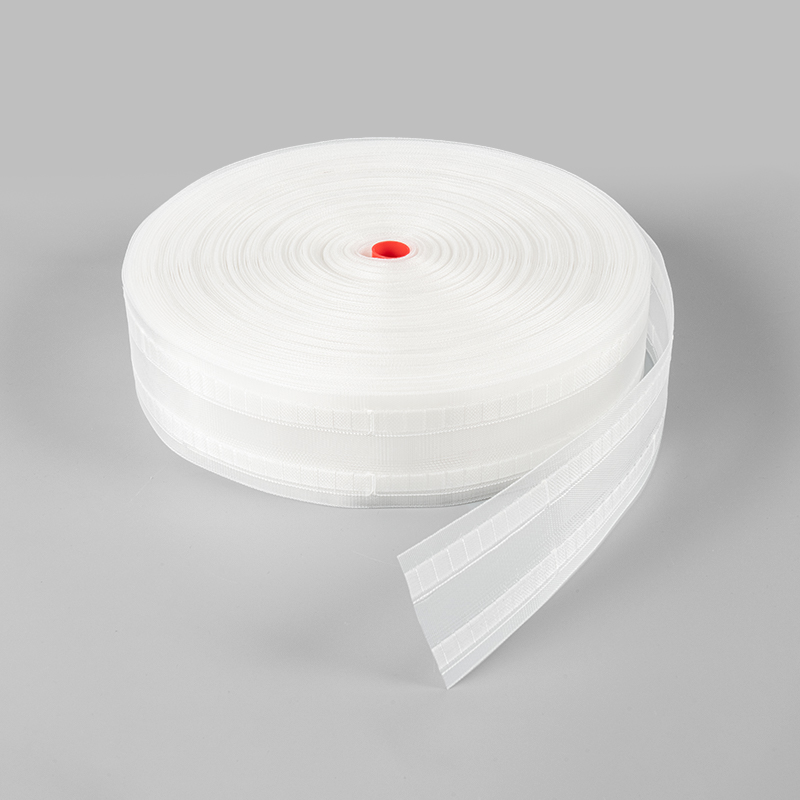
Match the Tape Structure to the Curtain Style
Different curtain designs require different heading arrangements. Some projects call for evenly spaced pleats, while others need a simpler gathered appearance or a heading suited to a particular hanging system. The tape structure should therefore be selected according to the finished curtain rather than treated as a standard accessory for every fabric.
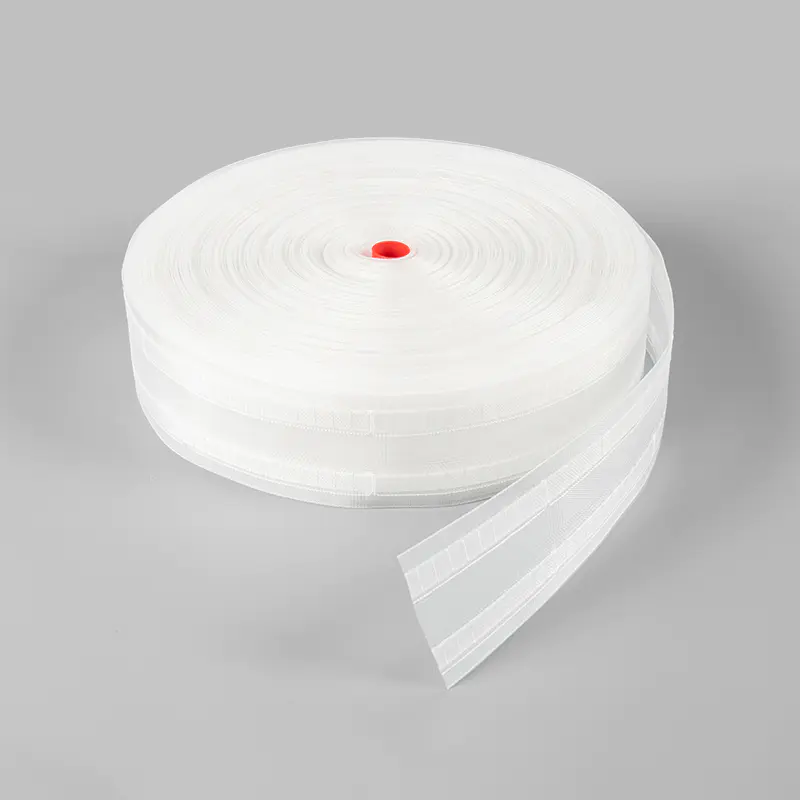
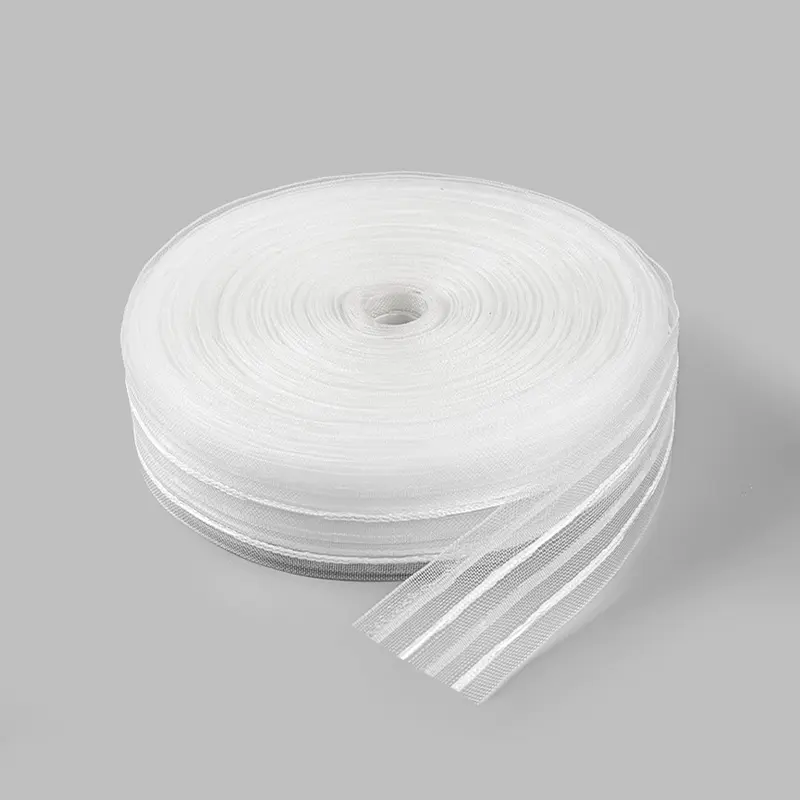
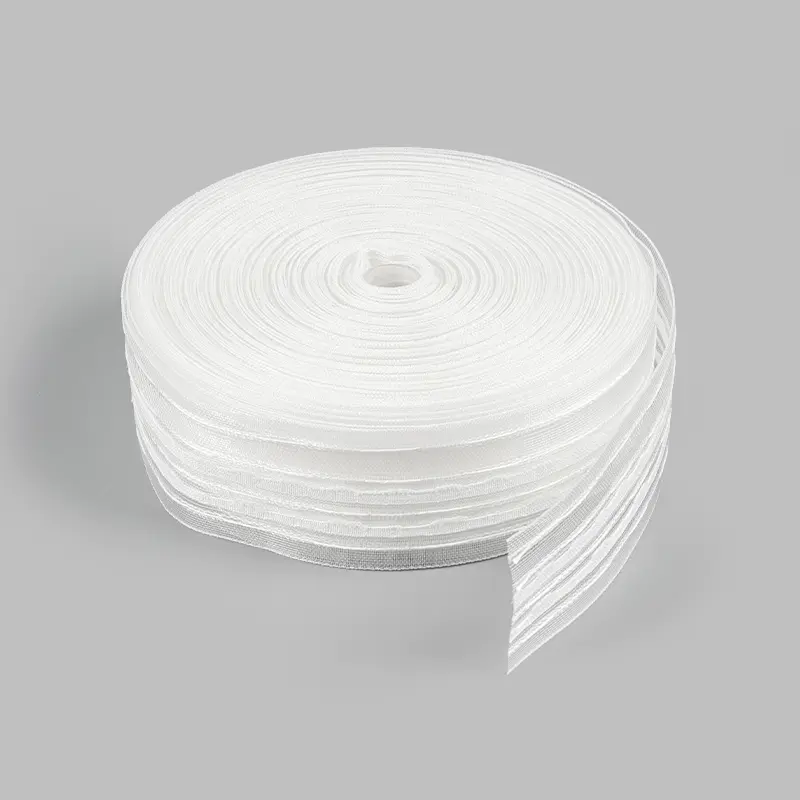
When evaluating Nylon Curtain Tape, buyers should review the tape width, pocket arrangement, gathering structure, and compatibility with the intended hook type. These details influence how the curtain is assembled and how the heading looks after gathering.
Manufacturers can help buyers compare available configurations by first understanding the curtain style, fabric weight, and required finished appearance. This makes specification decisions more practical before bulk production begins.
Consider Fabric Weight and Drape
A heading tape needs to work with the fabric it supports. Lightweight sheer fabric may require a different approach from heavier decorative curtains or lined panels. If the tape and fabric behave differently under tension, the finished heading may not gather evenly or maintain the intended shape.
Buyers should provide fabric samples or describe the material, lining, and expected curtain dimensions when discussing tape selection. Sample sewing can help confirm whether the tape provides suitable support and whether the gathered fabric creates the desired appearance.
The objective is not simply to select a stronger tape, but to find a suitable balance between flexibility, support, and the final curtain design.
Check Sewing Compatibility Before Production
Production problems can arise when tape dimensions or construction do not suit the sewing setup. An unsuitable width may require additional handling, while inconsistent edges or difficult-to-control fabric movement can slow down stitching.
Before placing a large order, curtain manufacturers should check the tape against their existing sewing process. Useful points include the position of the stitching lines, tape flexibility, edge construction, and how easily the material can be fed through the machine.
A small production trial can reveal practical issues that may not be obvious from a product description alone. Confirming these details early helps reduce adjustments once full-scale sewing starts.
Evaluate Gathering Consistency
Evenly formed pleats depend on the relationship between the tape structure, gathering cords, fabric, and sewing quality. If the tape gathers unevenly or the cords are difficult to pull, workers may spend additional time correcting the curtain heading.
During sample approval, buyers can examine whether the pleats are distributed consistently across the panel and whether the gathered heading maintains its intended shape. They should also check that the cords move as expected and that the finished tape remains securely attached to the fabric.
For manufacturers, clear inspection criteria make it easier to compare samples and maintain consistent finishing across repeated production runs.
Review Material Quality and Handling
Material consistency affects how tape performs during cutting, sewing, gathering, and storage. Variations in width, edge finish, flexibility, or surface condition may create differences between rolls and complicate production planning.
When sourcing curtain tape in bulk, buyers should establish specifications for the required dimensions, material, color, and packaging. Manufacturers can use these requirements as references for incoming materials, production checks, and finished-roll inspection.
Proper roll identification is also important when several tape widths or styles are stored in the same facility. Clear labels help workers select the correct material and reduce mix-ups during busy production periods.
Plan Packaging and Supply Around Production Needs
Curtain factories often consume heading tape according to fabric width, order quantities, and the number of panels being produced. Packaging and roll length should therefore fit the buyer's storage arrangements and cutting workflow.
Before confirming an order, procurement teams should discuss roll specifications, quantities, labeling, and delivery requirements. For repeat purchases, retaining the approved sample and product specification helps maintain continuity when production schedules change or additional stock is needed.
Build a More Reliable Curtain Production Process
Consistent curtain finishing begins with selecting components that match the fabric, heading style, and sewing method. As a manufacturer, we consider tape construction, dimensional consistency, processing requirements, and order specifications together. Overseas buyers who confirm these details before bulk purchasing can reduce avoidable production adjustments and establish a more dependable supply of curtain-making materials for different product ranges.
Recommended News


- Contact Us
-
-
E-mail:422857394@qq.com
-
Phone:+86-13957583738
-
Address:Building 1, No. 765 Anchang Road, Kebei Industrial Park, Keqiao Economic Development Zone, Qixian Subdistrict, Keqiao District, Shaoxing City, Zhejiang Province, China
-

Fill out our contact form and we'll connect
you with the people who can help.
you with the people who can help.
