

 English
 русский
 Español
 عربى


Home / News & Events / Industry News / What Should Buyers Check When Matching Curtain Tape With Different Fabrics?
What Should Buyers Check When Matching Curtain Tape With Different Fabrics?
Curtain production involves more than selecting an attractive fabric and choosing a suitable heading style. The tape sewn along the top edge affects how the curtain gathers, how hooks are positioned, and how evenly the finished panel hangs. If the tape is incompatible with the fabric weight or sewing process, manufacturers may encounter uneven pleats, stitching difficulties, or inconsistent finished dimensions. For curtain workshops and textile product buyers, selecting the right tape early can help simplify production and achieve a more consistent appearance across different curtain styles.
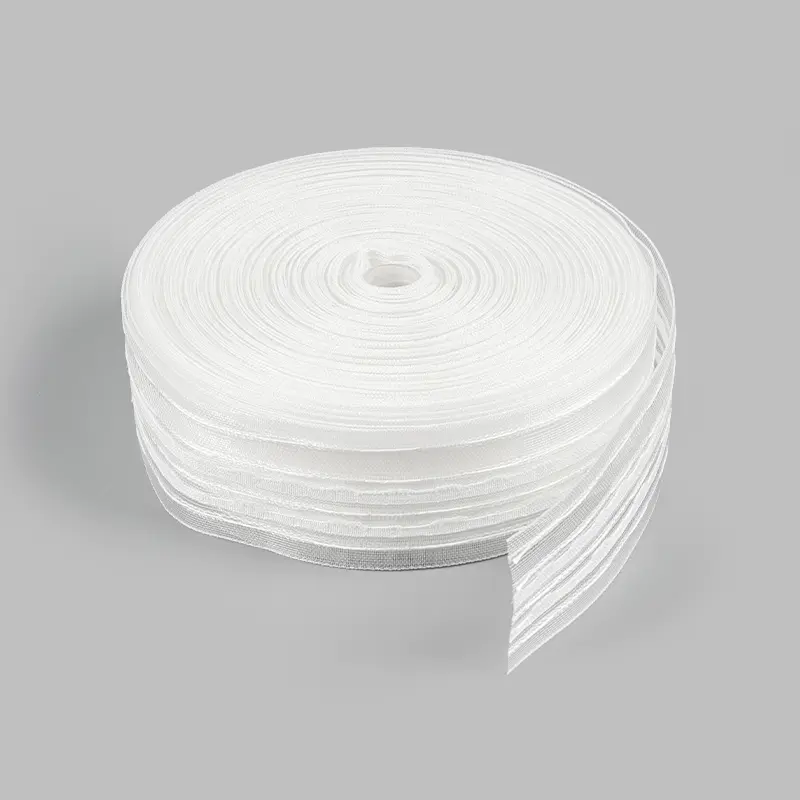
Match Tape Construction to Fabric Weight
Lightweight sheer curtains and heavier decorative drapes place different demands on the heading tape. A tape that works well with thin fabric may provide insufficient support for a heavier panel, while an overly rigid construction may affect the appearance of lightweight materials.
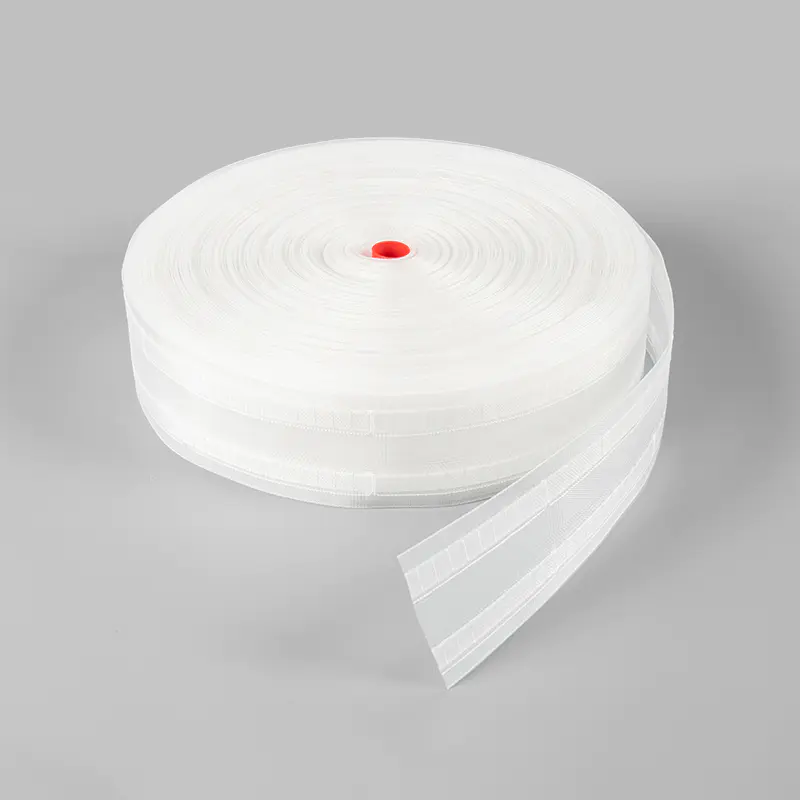
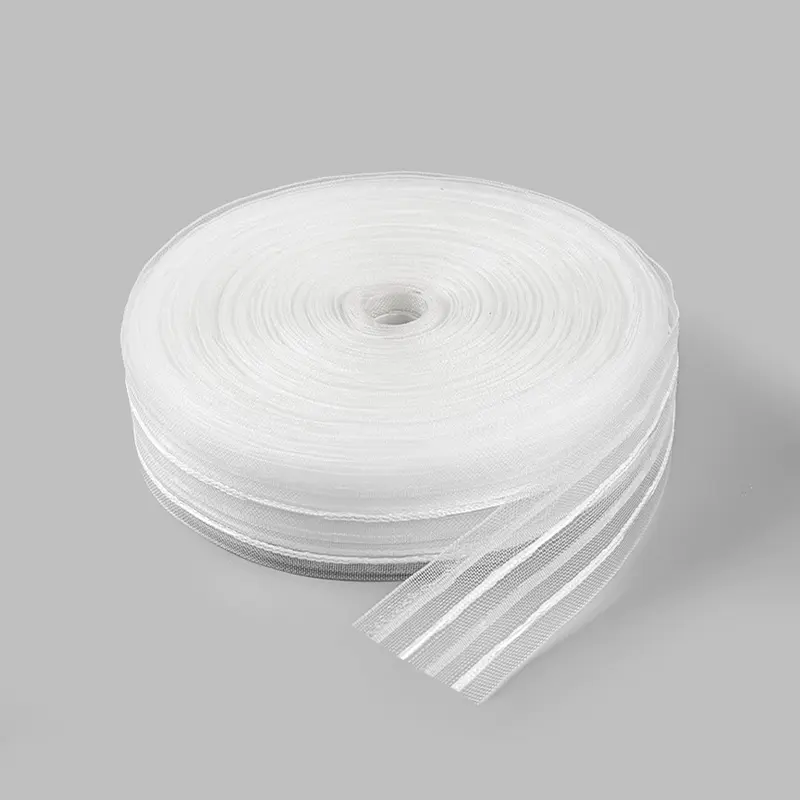
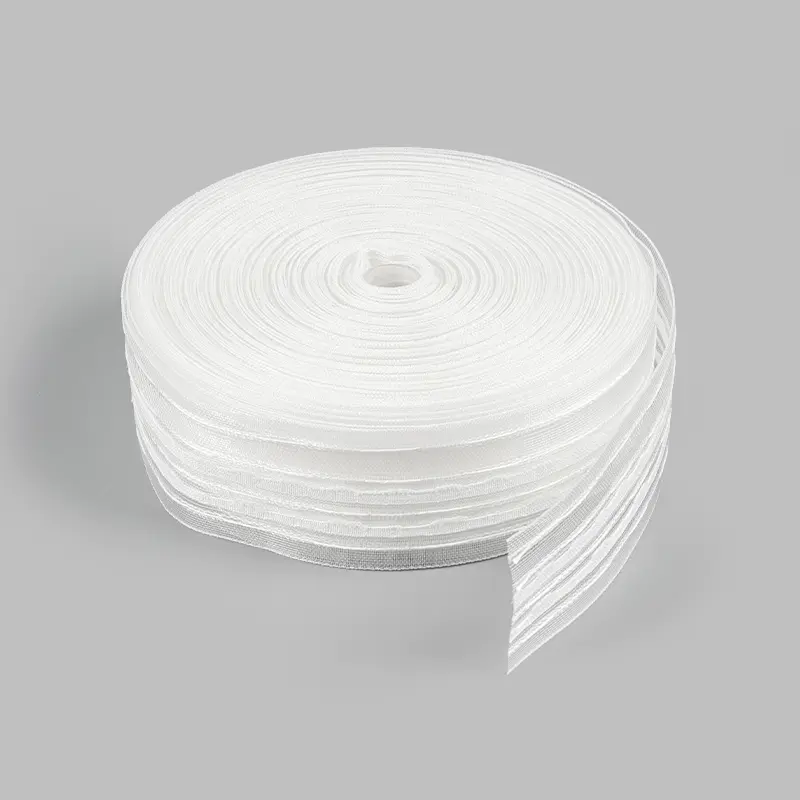
When evaluating Nylon Curtain Tape, buyers should consider the fabric's weight, thickness, weave, and intended hanging style. The tape should support the required heading structure without creating excessive bulk along the top edge.
Manufacturers can improve selection accuracy by testing the tape with representative fabric samples. This makes it easier to assess how the combined materials behave during sewing, gathering, and hanging rather than evaluating the tape in isolation.
Choose the Right Heading Style
Different curtain designs require different gathering effects. Some projects call for evenly spaced pencil pleats, while others use a simpler gathered heading or a flatter top edge designed for a specific track system.
The tape construction determines how gathering cords, stitching lines, and hook pockets work together. Buyers should confirm the required finished appearance before selecting a tape configuration.
For production orders, a sample curtain can help verify the pleat pattern, fullness, and hook positioning. This is particularly useful when a manufacturer supplies multiple curtain styles or produces panels according to customer-specific specifications.
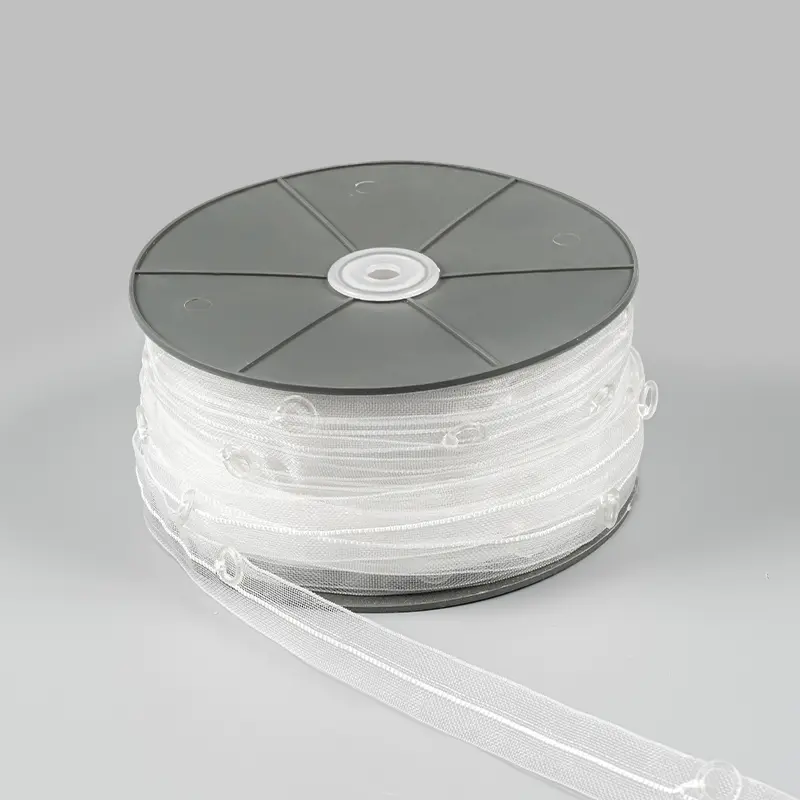
Check Hook Pockets and Spacing
Hook placement influences how a curtain hangs and how easily installers can adjust its position. If pockets are difficult to access or spaced inconsistently, the finished panel may require additional handling during installation.
Before ordering, buyers should confirm the intended hook type, pocket arrangement, and compatibility with the planned curtain track or rod system. These details should be checked against the actual installation method rather than assumed from the tape's general appearance.
For manufacturers, consistent pocket formation and clear product specifications can make cutting, sewing, and final inspection easier to standardize across production batches.
Evaluate Sewing Performance on the Production Line
A tape may appear suitable during a visual inspection but behave differently when processed at production speed. Excessive stretching, shifting layers, uneven edges, or difficult needle penetration can interrupt sewing and affect the finished curtain.
Manufacturers should assess the tape under the intended sewing conditions, including the selected stitch pattern, thread, needle, and fabric combination. The goal is to achieve secure stitching without puckering the fabric or distorting the tape.
When assessing Nylon Curtain Tape, it is useful to check both handling characteristics and the quality of the sewn seam. A practical production trial can reveal issues that may not be obvious from a small loose sample.
Consider Width and Finished Appearance
Tape width affects how the heading is constructed and how much support is available along the curtain's upper edge. A narrow tape may suit certain lightweight or minimal designs, while a wider option can provide more space for multiple stitching rows or hook positions.
The appropriate width depends on the fabric, heading style, sewing allowance, and required finished dimensions. Buyers should also consider whether the tape will remain visible when the curtain is gathered or installed.
Manufacturers can use sample approval to confirm the relationship between tape width, pleat formation, and the overall appearance of the finished panel before proceeding with bulk production.
Review Durability and Handling Requirements
Curtains may be opened and closed repeatedly, removed for cleaning, or adjusted during installation. The tape must remain suitable for these routine handling conditions, although actual performance depends on the complete curtain construction and care requirements.
Buyers should review the tape's material specifications, stitching compatibility, and relevant care instructions. Where curtains are intended for frequent use, sample testing can help assess whether the heading retains its structure during normal handling.
Storage and packaging also matter. Keeping tape clean, dry, and protected from deformation helps maintain its condition before it reaches the sewing line.
Make Product Specifications Clear Before Ordering
Selecting a suitable curtain tape requires coordination between fabric choice, heading design, sewing conditions, and installation requirements. For buyers sourcing Nylon Curtain Tape, it is helpful to provide the manufacturer with the intended fabric type, finished curtain style, required width, hook arrangement, and expected order quantity.
As a manufacturer, we recommend confirming these details through product specifications and representative samples before bulk production. Clear communication helps reduce avoidable adjustments, supports consistent processing, and makes it easier to select a tape construction suited to the finished curtain rather than relying on appearance alone.
Recommended News


- Contact Us
-
-
E-mail:422857394@qq.com
-
Phone:+86-13957583738
-
Address:Building 1, No. 765 Anchang Road, Kebei Industrial Park, Keqiao Economic Development Zone, Qixian Subdistrict, Keqiao District, Shaoxing City, Zhejiang Province, China
-

Fill out our contact form and we'll connect
you with the people who can help.
you with the people who can help.
