

 English
 русский
 Español
 عربى


Home / News & Events / Industry News / How Can Buyers Choose Custom Polyester Yarn for Different Textile Applications?
How Can Buyers Choose Custom Polyester Yarn for Different Textile Applications?
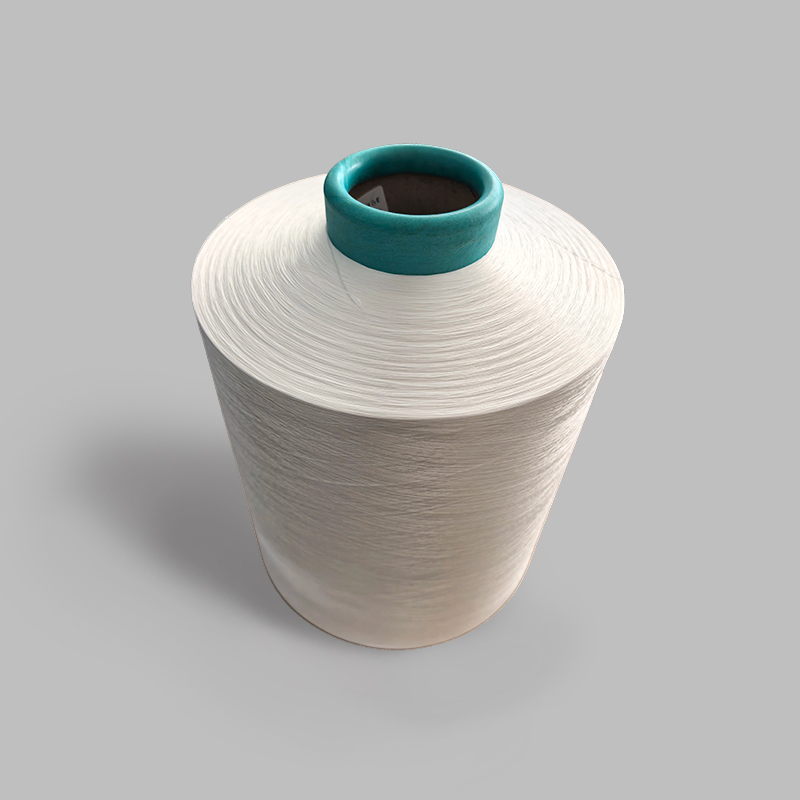
As textile manufacturers respond to changing fabric requirements, choosing yarn has become more than a matter of comparing price and basic specifications. The same polyester material may be used in apparel, home textiles, sportswear, industrial fabrics, and other products, but each application places different demands on yarn structure, strength, appearance, and processing performance. For overseas buyers, selecting Custom Polyester Yarn requires a clear understanding of the next production stage. A suitable yarn specification can help reduce processing difficulties, maintain fabric consistency, and support the final product's intended performance.
Start With the Final Fabric Application
Before discussing yarn specifications with a supplier, buyers should identify the type of fabric they intend to produce. Apparel fabrics may require a particular softness, drape, or surface appearance, while upholstery and industrial textiles may place greater emphasis on strength and dimensional stability.
This distinction matters because yarn selected for one application may not deliver the desired result in another. For example, manufacturers producing lightweight garments may prioritize finer yarn counts and fabric hand feel, whereas buyers working with heavier woven materials may focus more closely on structural strength and processing requirements.
Providing the intended fabric application at the beginning of a purchasing discussion gives the manufacturer a more useful basis for recommending a suitable product.
Understand Yarn Count and Filament Structure
Yarn count and filament configuration influence the characteristics of the finished fabric. Buyers should consider whether their production process requires filament yarn or another polyester yarn construction, as well as the appropriate denier and filament count.
These specifications affect more than the yarn's appearance. They can influence fabric thickness, texture, coverage, and suitability for different knitting or weaving processes.
When requesting samples, buyers should compare yarn specifications with the requirements of their existing machinery and fabric designs. A specification sheet should clearly identify the relevant technical parameters rather than relying only on a general product description.
Consider Processing Compatibility Before Bulk Purchasing
A yarn that appears suitable in a sample may behave differently when introduced into a full production line. Differences in winding quality, yarn tension, package formation, and unwinding behavior can influence processing efficiency.
For this reason, textile manufacturers should evaluate yarn under conditions that resemble their actual production environment. Important points to review include:
- Package shape and winding consistency
- Yarn unwinding performance
- Compatibility with knitting or weaving equipment
- Tension behavior during processing
- Surface defects or irregularities
- Consistency between sample and bulk materials
These checks help buyers identify potential production problems before committing to larger orders.
Pay Attention to Color and Dyeing Requirements
Color consistency is another important consideration for textile sourcing. Buyers developing fabrics in multiple colors should communicate their dyeing or color requirements before confirming the yarn specification.
The final appearance can be influenced by yarn type, dyeing conditions, processing methods, and the characteristics of the color system being used. For solution-dyed or dope-dyed options, where available, buyers should also clarify the required color references and application conditions with the supplier.
A clear sample approval process helps both parties establish expectations for color appearance and reduce avoidable differences during repeat production.
Evaluate Quality Beyond the Initial Sample
A successful sample does not automatically guarantee consistent bulk production. For distributors and textile factories, repeatability is essential because yarn variations can affect fabric appearance and downstream processing.
Manufacturers should establish inspection procedures for relevant characteristics such as yarn count, tensile properties, appearance, package condition, and other agreed specifications. Buyers can also request clear product documentation and discuss how production batches are identified and inspected.
Rather than evaluating a supplier solely by the first sample, procurement teams should consider its ability to maintain agreed specifications across recurring orders.
Customization Should Follow a Clear Technical Brief
Custom development is more efficient when buyers provide specific information instead of requesting a general-purpose polyester yarn. A useful inquiry can include:
- Intended fabric or finished product
- Knitting or weaving process
- Required yarn count and filament configuration
- Color and dyeing expectations
- Performance requirements
- Packaging and order quantities
This information allows the manufacturer to assess material suitability, production feasibility, and sample arrangements before moving toward bulk supply.
Build a Better Sourcing Decision With the Right Manufacturer
Selecting yarn is closely connected to the performance of the entire textile production process. From yarn structure and processing compatibility to color requirements and batch consistency, each factor deserves attention before an order is finalized. As a Custom Polyester Yarn manufacturer, we believe effective customization begins with understanding the buyer's actual application rather than recommending specifications without sufficient context. For overseas textile producers, distributors, and sourcing teams, working with a manufacturer that can discuss technical requirements clearly makes it easier to select yarn that fits production needs and supports consistent results in finished fabrics.
Recommended News


- Contact Us
-
-
E-mail:422857394@qq.com
-
Phone:+86-13957583738
-
Address:Building 1, No. 765 Anchang Road, Kebei Industrial Park, Keqiao Economic Development Zone, Qixian Subdistrict, Keqiao District, Shaoxing City, Zhejiang Province, China
-

Fill out our contact form and we'll connect
you with the people who can help.
you with the people who can help.
