

 English
 русский
 Español
 عربى


Can Better Curtain Tape Help Maintain Pleat Shape Over Time?
Curtain appearance depends not only on the fabric but also on the components that support its heading. After repeated opening, closing, cleaning, and rehanging, poorly matched heading materials may contribute to uneven pleats, loose stitching, or changes in the curtain's overall shape. For curtain manufacturers and wholesale buyers, these issues can affect product presentation and create additional work during finishing or after-sales service. Evaluating the tape's construction, sewing compatibility, and care requirements before production helps establish a more dependable curtain assembly.
Understand What Supports the Pleats
Pleats need to remain reasonably consistent as curtains are handled and repositioned. The tape provides a structured area for gathering and attaching hooks, but its performance depends on the construction, stitching, fabric weight, and intended heading style.
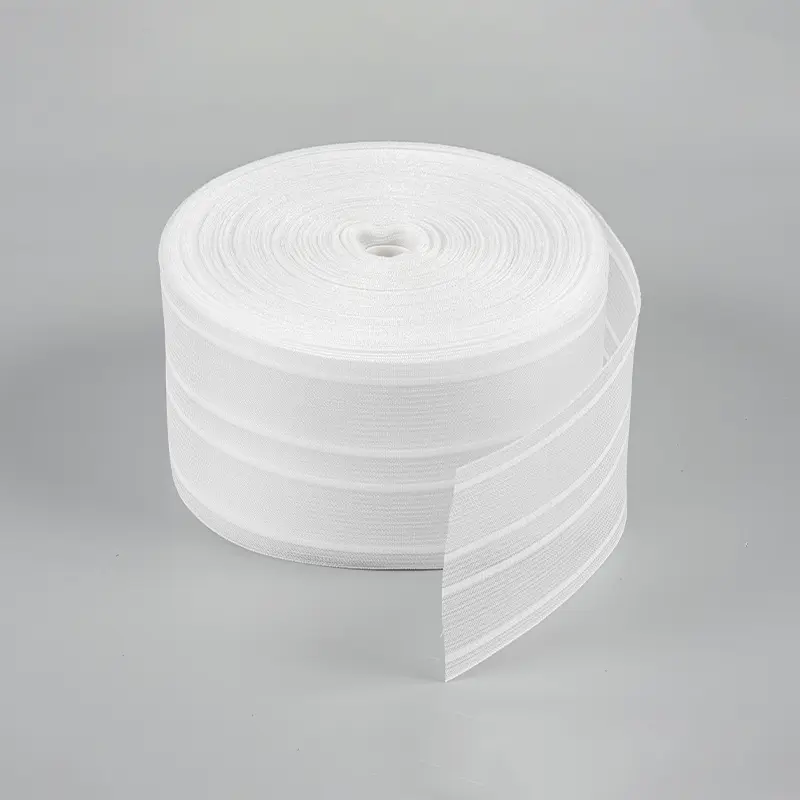
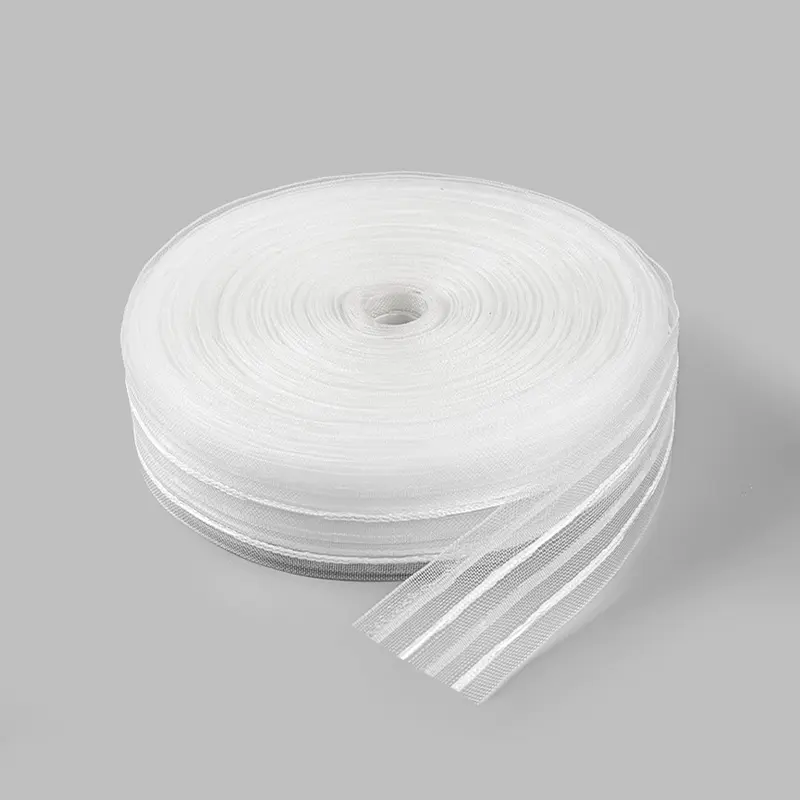
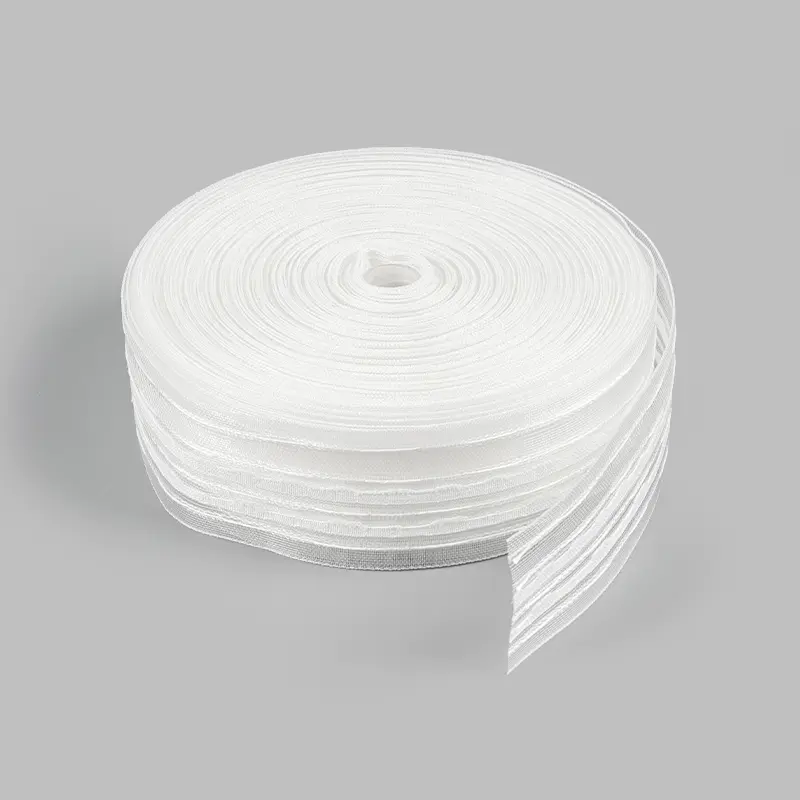
When selecting Nylon Curtain Tape, buyers should examine the pocket layout, tape width, flexibility, and gathering arrangement. The chosen configuration should support the required pleat pattern without making the heading unnecessarily stiff or difficult to sew.
Manufacturers can compare samples with the actual curtain fabric to assess how the gathered material falls. This practical check helps reveal whether the tape suits the finished design rather than relying on the tape's appearance in isolation.
Check Stitching Strength and Edge Stability
The connection between the tape and curtain fabric is important during everyday use. Repeated movement places stress on the heading, particularly when curtains are wide, lined, or frequently drawn open and closed.
Buyers should review the tape's edge construction and confirm that it can be sewn securely using the intended stitch pattern. During sample production, manufacturers can inspect whether the tape feeds evenly through the sewing machine and whether the finished seam remains flat without unnecessary puckering.
Consistent tape dimensions also help operators maintain suitable stitching positions across multiple panels, reducing avoidable adjustments during production.
Consider Cleaning and Care Requirements
Curtains may be washed, dry-cleaned, or maintained according to the fabric and product instructions. The suitable care method depends on the complete curtain assembly, including the fabric, lining, tape, stitching, and accessories.
Before ordering in bulk, buyers should confirm the recommended care conditions for the finished product. Where regular washing is expected, representative samples can be evaluated under the intended care procedure to observe changes in shape, stitching, and gathering.
Manufacturers should avoid assuming that every tape is suitable for every cleaning method. Clear material information helps buyers choose components that match the expected maintenance routine.
Match Tape Flexibility to Fabric Behavior
A tape that is too rigid for a lightweight curtain may influence how the heading falls, while an unsuitable construction for heavier fabric may provide insufficient support for the intended design.
Procurement teams should consider fabric thickness, lining, panel dimensions, and hanging method together. Testing the complete assembly is more informative than evaluating tape flexibility by touch alone.
This approach also helps manufacturers identify whether a different tape width or gathering structure would produce a more suitable result.
Keep Quality Checks Consistent Across Batches
Small differences in width, pocket spacing, color, or edge finishing can become noticeable when many curtain panels are produced together. Buyers should define the important specifications before placing a repeat order.
A practical inspection checklist may include:
- Tape width and dimensional consistency
- Pocket spacing and gathering structure
- Edge finish and visible material defects
- Sewing behavior on the selected fabric
- Roll condition, labeling, and packaging
These checks create a shared reference for production and incoming inspection.
Make Product Specifications Useful for Repeat Orders
Repeat purchasing becomes easier when buyers retain the approved sample, material description, dimensions, and application details. Manufacturers can use this information to maintain the agreed configuration and identify potential changes before production begins.
For wholesale customers, consistent specifications also simplify inventory management when several curtain styles require different heading components.
Build Reliability Into Every Curtain Heading
A suitable curtain tape should work with the fabric, sewing process, pleat design, and care requirements of the finished product. As a manufacturer, we consider these factors together when evaluating tape configurations and production specifications. Overseas buyers who test the complete curtain assembly and define acceptance criteria early can make more informed sourcing decisions and support consistent finishing across future orders.
Recommended News


- Contact Us
-
-
E-mail:422857394@qq.com
-
Phone:+86-13957583738
-
Address:Building 1, No. 765 Anchang Road, Kebei Industrial Park, Keqiao Economic Development Zone, Qixian Subdistrict, Keqiao District, Shaoxing City, Zhejiang Province, China
-

Fill out our contact form and we'll connect
you with the people who can help.
you with the people who can help.
